Service / TEXTURE MATCHING

Texture Matching & Skim Coating.

Knockdown, orange peel, skip trowel, flat skim — matched visually on-site so repairs disappear into the surrounding wall.

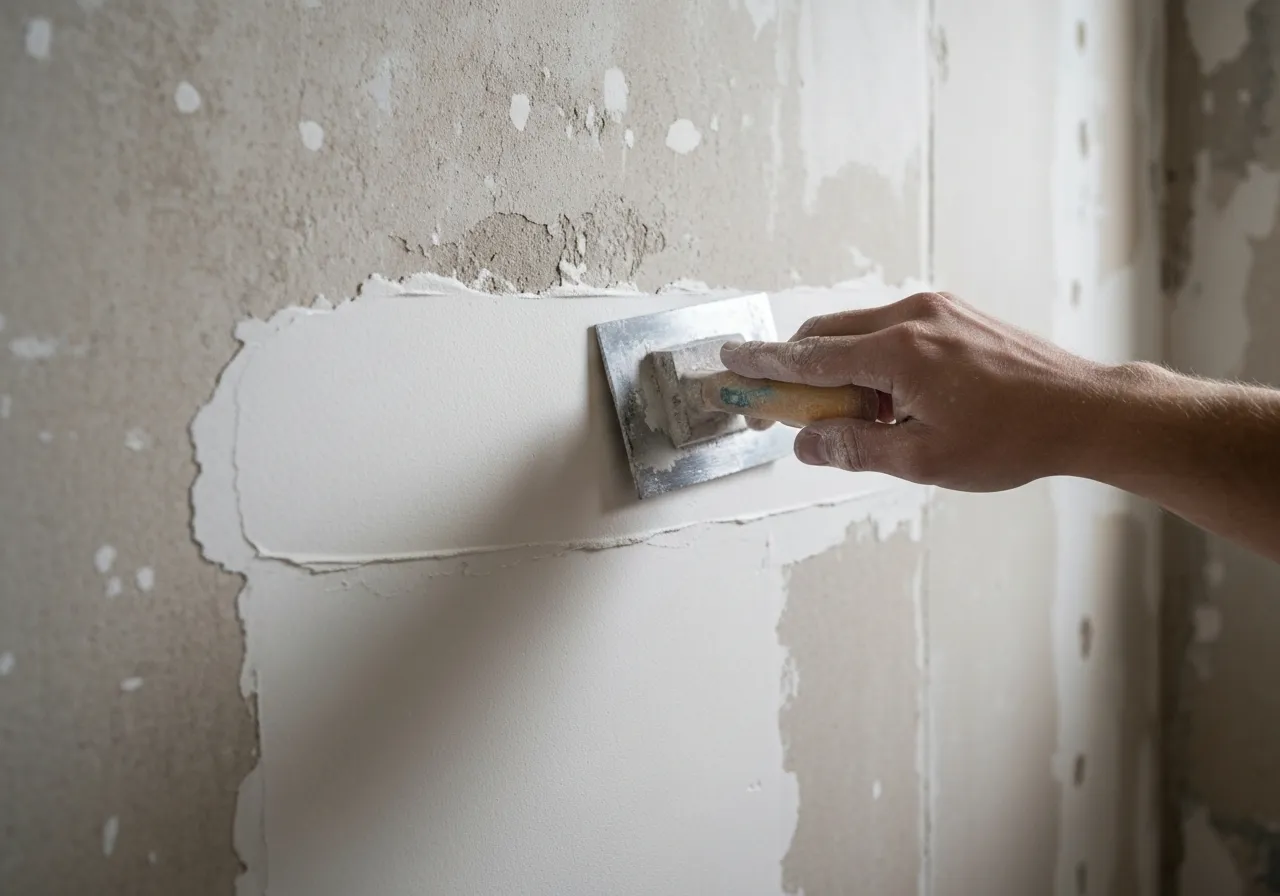
Macro close-up of a hand troweling a smooth skim coat of joint compound across a wall in a Pennsylvania home, dramatic side raking light revealing texture differences between old and new compound
FILE / 2026 Texture Matching & Skim Coating

The work

How texture matching & skim coating actually goes on a JL job.

/01

Texture matching is the diagnostic and technical work that separates a visible repair from an invisible one. The skill is not in applying joint compound — it is in reading an existing surface, identifying its application method, and reproducing the same pattern geometry and aggregate distribution on the repair area. Most residential surfaces in Montgomery County's 1960s–1990s housing stock were textured during original construction using methods that are no longer standard practice, which means matching them requires experience with older application techniques, not just a spray hopper and a bag of compound.

/02

The most common texture categories in the JL Drywall and Painting service area are: smooth Level 4 or Level 5 finish (found in higher-end builds and post-renovation upgrades), knockdown (a spray-applied orange peel base that is then flattened with a drywall knife while partially wet, creating irregular flat islands), skip trowel (a hand-applied technique using diluted compound troweled in random arcs and patterns, common in 1970s–1980s colonials), orange peel (fine spray texture, typically applied with a hopper gun at a specific distance and pressure), and slap brush or crow's foot (a brush pressed and lifted into wet compound, producing a peak-and-valley pattern common in ceilings of ranch-era homes). Each of these requires different equipment, compound viscosity, and technique.

/03

Skim coating is a different application — it is the process of applying one or more thin full-surface coats of joint compound to create a smooth, uniform substrate, either over a repaired area or over an entire wall surface to remove an existing texture. Homeowners in Blue Bell and Skippack regularly request full-room skim coats to convert outdated skip-trowel or knockdown walls to a smooth Level 5 finish before repainting. This is not a simple task: skim coating an entire room requires the compound to be applied at the correct water-to-compound ratio, troweled at the correct angle to avoid ridges, and sanded progressively to avoid trowel drag marks. Done correctly, the finished surface is indistinguishable from new board. Done incorrectly, it produces a wavy surface that reads worse than the original texture.

/04

For homes with plaster-over-lath walls (found in the pre-1940 North Wales Borough housing stock and some 1950s East Norriton colonials), the crew applies a skim coat protocol adapted for the harder, less absorbent substrate. Plaster is denser than drywall and has a different porosity profile, which means standard all-purpose compound may not bond correctly without a bonding primer applied first. The plaster must also be tested for stability — loose or hollow-sounding sections must be re-secured before any skim coat is applied, or the new surface will crack and delaminate along the substrate failure line. These are not variables that appear on a standard painting or patching estimate; they require a finisher who works with plaster as well as drywall.

/05

JL Drywall and Painting handles texture matching and skim coating across the full service area. For homeowners planning a room renovation, a pre-sale repaint, or repair work on an older home where the existing texture is part of the character they want to preserve, the estimate provides a written scope that identifies the texture type, the application method, and the coat count before any work begins.
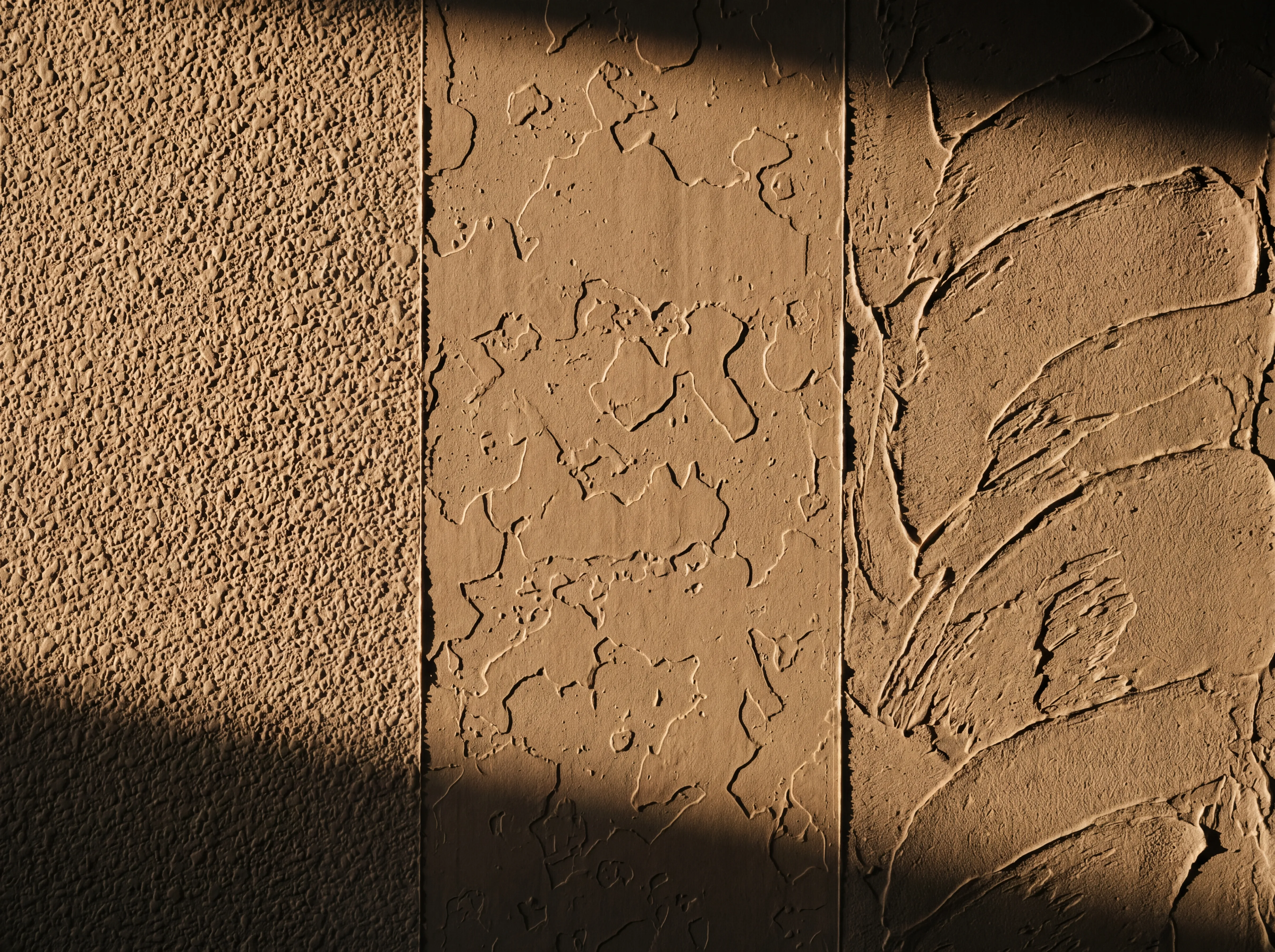
Three drywall texture sample sections side by side on one wall — orange peel on the left, knockdown in the middle, skip-trowel on the right — raking sidelight reveals each pattern
Texture Matching & Skim Coating · process detail

Frequently asked

About texture matching & skim coating.

/01 Can you match skip trowel texture on a wall repair?

Yes. Skip trowel is a hand-applied technique using diluted joint compound, so matching it requires reproducing the same trowel size, dilution ratio, arc geometry, and surface coverage density as the existing pattern. The match is evaluated in the same lighting conditions as the finished wall — the crew tests on cardboard before applying to the wall surface. The most common matching error is applying skip trowel over a repair that has not been fully primed, which causes the compound to stick and drag rather than release cleanly from the knife, producing a different edge profile than the original.

/02 What is skim coating and why would I want it?

Skim coating is the application of a thin full-surface layer of joint compound to create a smooth, uniform wall surface. Homeowners typically request skim coats for three reasons: to convert an outdated texture (knockdown or skip trowel) to a modern smooth finish before repainting; to restore a wall that has been patched multiple times and shows compound buildup variations; or to prepare an older plaster wall for paint without the uneven absorption that causes paint to look blotchy. A properly executed skim coat produces a Level 5 finish — the highest gypsum association standard — and holds up under any paint sheen, including satin and semi-gloss.

/03 My walls have old plaster, not drywall. Can you skim coat plaster?

Yes, but the protocol differs from drywall skim coating. Plaster is harder and less porous than drywall, which means standard joint compound may not bond without a bonding primer applied first. The existing plaster also needs to be tested for stability before any skim coat is applied — hollow-sounding sections indicate key coat failure behind the finish plaster, and those areas need to be re-secured or replaced. For pre-1940 North Wales Borough homes and older East Norriton colonials, this is frequently the situation on at least some portion of the wall surface. Jose inspects plaster walls during the estimate walk and specifies the correct primer and bonding protocol for the substrate conditions found.

/04 How do I know if my existing texture is spray-applied or hand-applied?

Spray-applied textures (orange peel, knockdown) have a consistent aggregate distribution across the entire surface, with a repeating random pattern at a relatively uniform scale. Hand-applied textures (skip trowel, slap brush) show tool marks, directional arcs, and a more variable pattern with distinct edges from individual trowel or brush applications. You can also look at corners and edges — spray textures typically fall off evenly, while hand-applied textures often show thicker buildup in corners where the tool reversed direction. If you send a photo in good raking light, we can usually identify the texture type before the estimate visit.

/05 Can skim coating be done on just one wall in a room?

It can, but the result will often be visible if the adjacent walls have a different sheen or texture profile. A single skim-coated wall in a room with original skip-trowel or knockdown walls will read differently under sidelighting. For best results, skim coating is done room-by-room rather than wall-by-wall. The exception is a feature wall or an accent situation where the surface contrast is intentional. Jose advises on this tradeoff during the estimate — there is no single correct answer, but you should make the decision with full information rather than discovering the sheen differential after the paint is on.

Ready to book texture matching & skim coating?

Walk it with Jose. (484) 435-5154